01Configured agent runtime
Realtor OS
A lead-engagement operating desk for property agents: inbound WhatsApp and voice leads, assistant-led qualification, bookings, tasks, inventory, cost visibility, and CRM sync.
Read the case study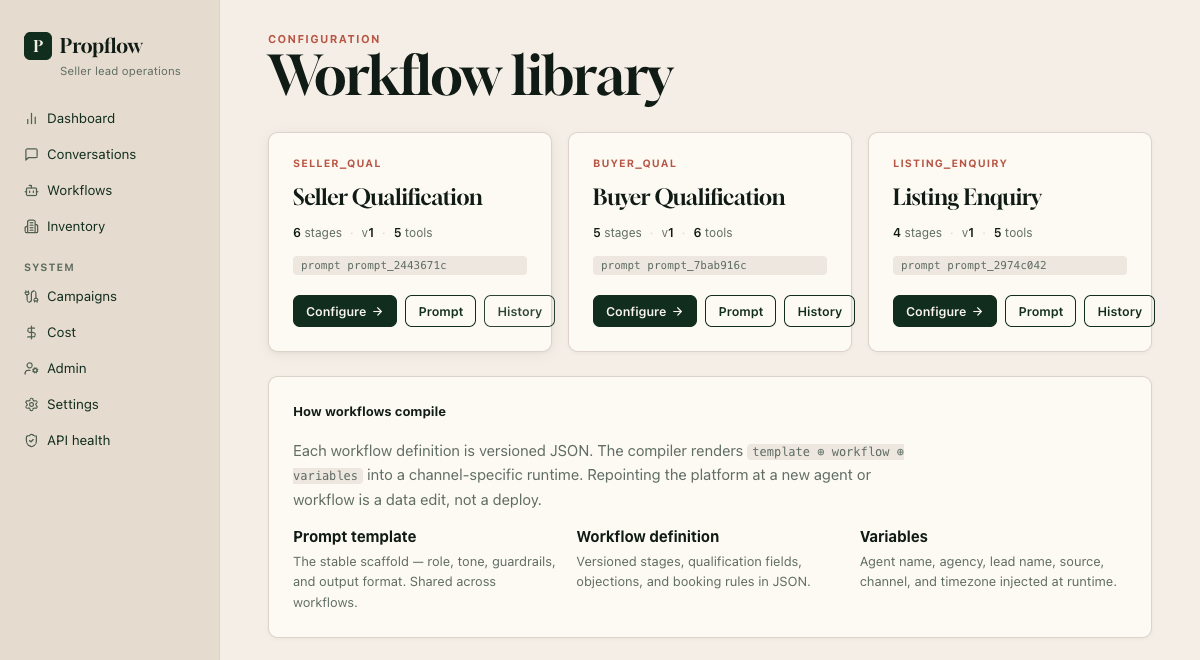
Wu Yekai · AI data & systems · Singapore
I am a computer science student and AI data intern working across LLM training data, multimodal inspection, agent workflows, and decision-support products—from the first system boundary to the tested interface.
Model-scored curation, quality checks, file conversion, and evaluation pipelines.
Gated VLM inference, camera-pose geometry, and visual verification.
Agent workflows, interfaces, APIs, automation, and reproducible local setup.
Selected work
These projects are prioritized for technical complexity, system design, evidence of validation, and relevance to product-facing engineering teams.
A lead-engagement operating desk for property agents: inbound WhatsApp and voice leads, assistant-led qualification, bookings, tasks, inventory, cost visibility, and CRM sync.
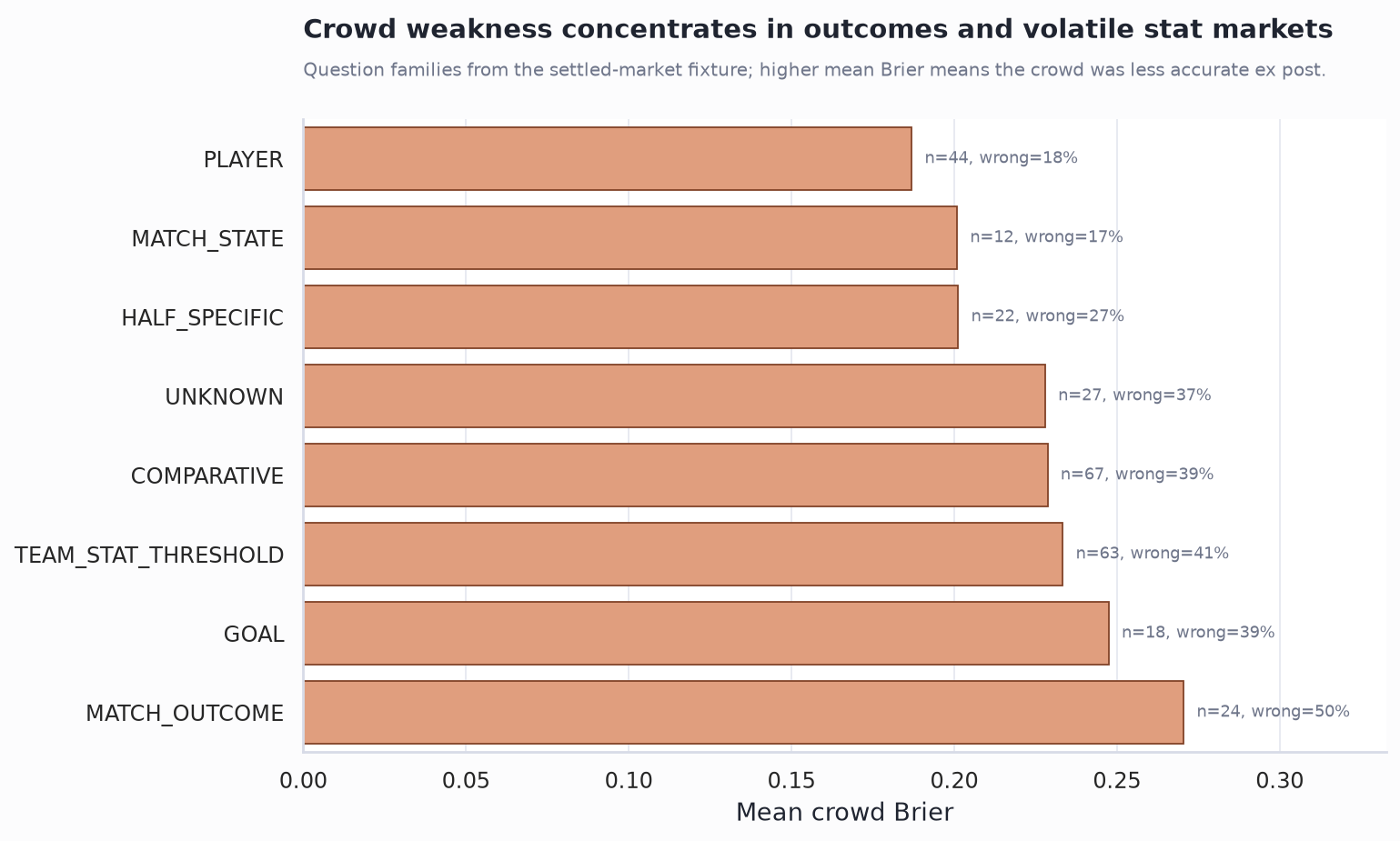
Read the case studyA multi-model probability engine for World Cup markets, designed around calibration rather than overconfident winner picks.
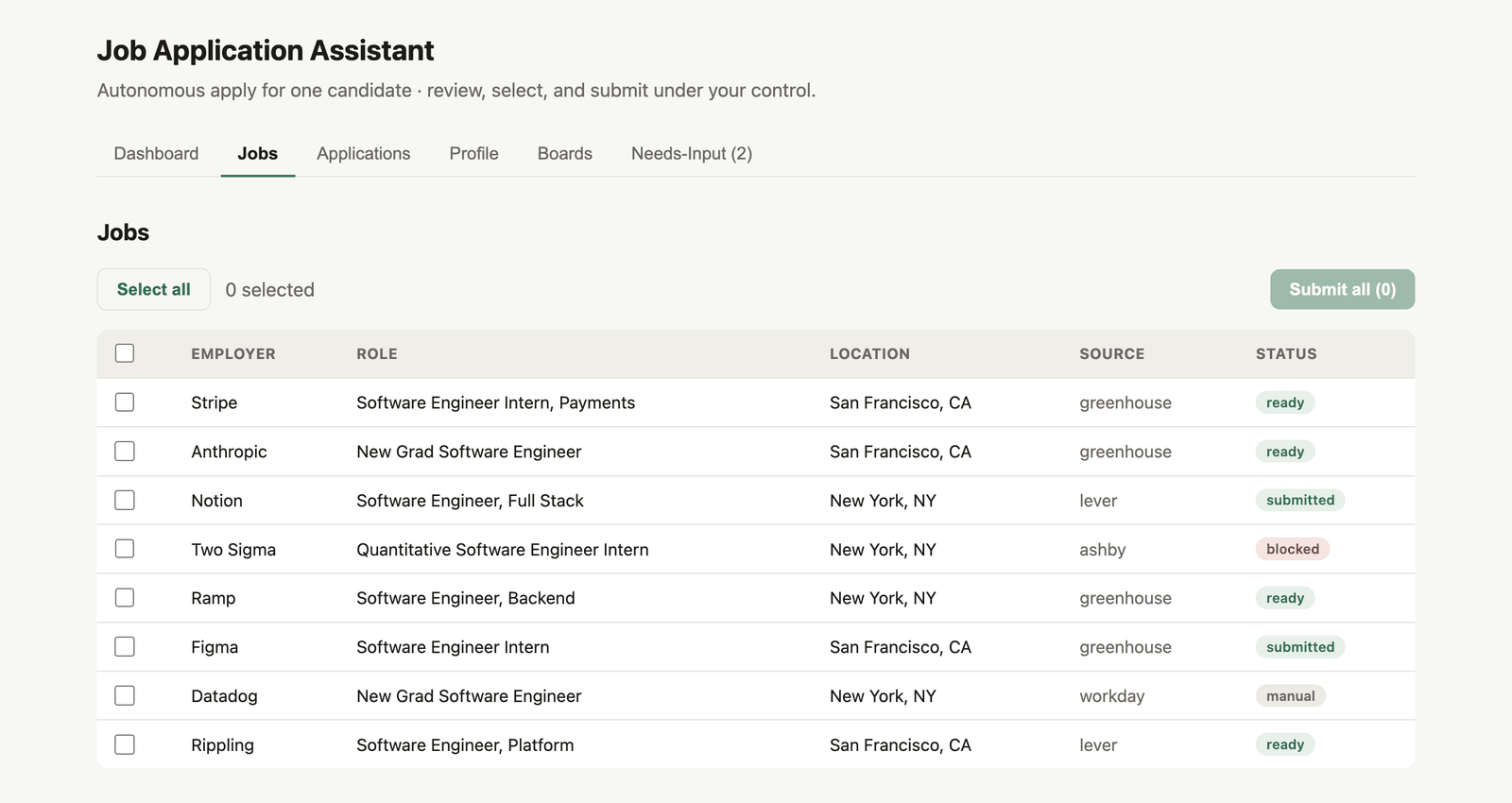
An autonomous job-search pipeline that discovers roles from public ATS boards, filters for relevance and eligibility, tailors resume bullets per role via an LLM, and fills applications through a Playwright session. Every field routes to known, LLM-inferable, or personal-unknown, so it never guesses a personal fact.
Engine-backed analysis translated into contextual chess coaching, commentary, tactics, and chat.
View repository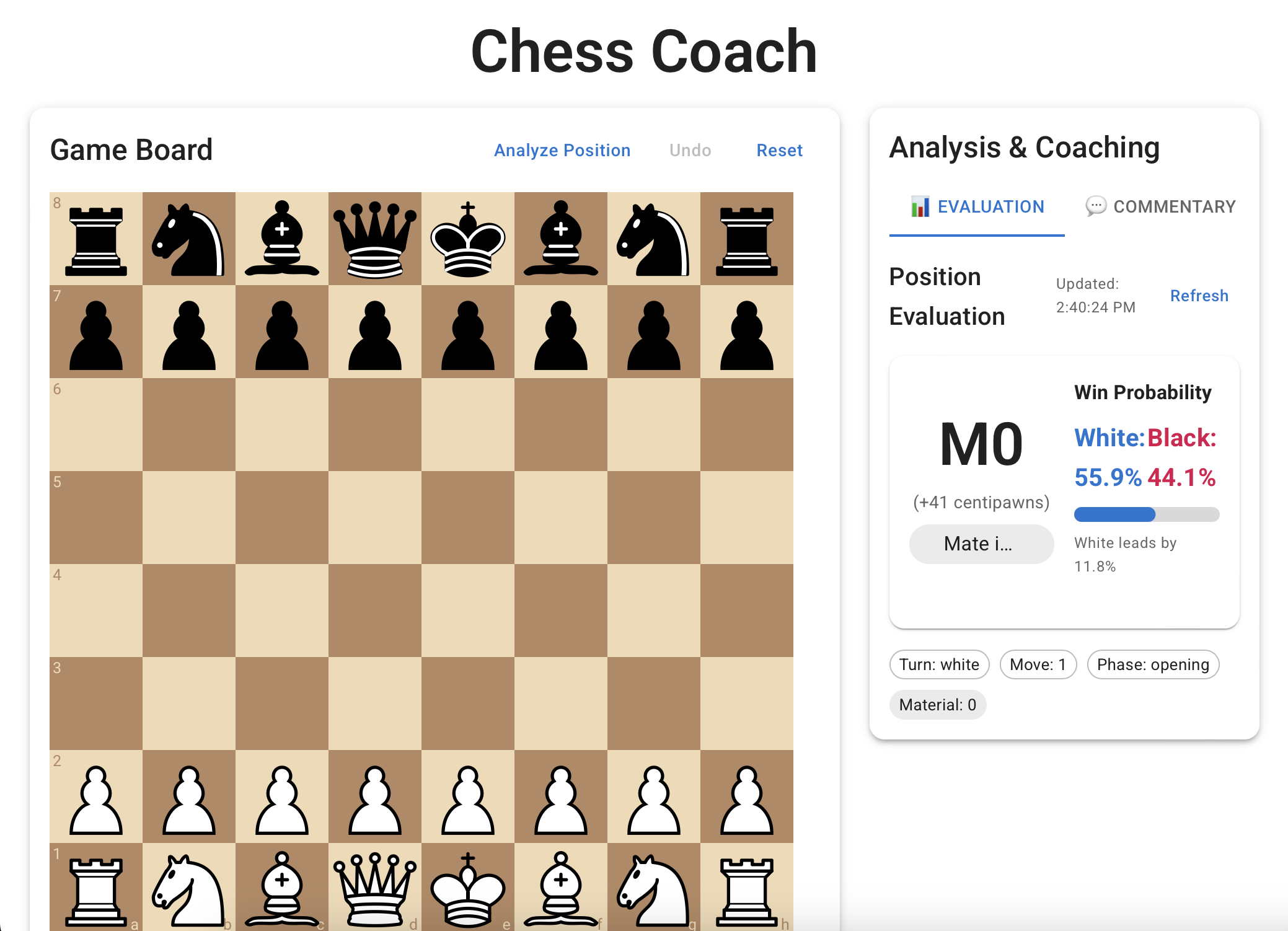
"Leave now" Singapore transit routing over a custom bounded multi-modal search — live LTA bus arrivals, GTFS rail topology, and OneMap walking data — with zero third-party runtime dependencies. Benchmarked against the Google Maps Routes API on 100 checkpointed cases.

A personal-use Playwright automation that keeps an authenticated session ready for a university tennis-court booking portal, watches for a court to open up, and hands the payment step to a human over Telegram. A separate scheduled health check alerts over Telegram if the site changes.

Case studies
Notes from the projects themselves: the architecture choices, the parts that were validated, and the limits worth knowing before making a claim.
Realtor OS · agentic lead operations
Property agents need a single operating desk for inbound leads, qualification, bookings, follow-ups, inventory, and CRM records—while retaining control when a lead needs a human.
A workflow definition, prompt template, and runtime variables compile to a system prompt plus tools. Threads pin their workflow and prompt versions, so a configuration edit does not change an in-flight conversation.
The runtime owns conversations, tool calls, costs, and audit data; Twenty holds durable CRM records. It runs with local JSON when no database is configured and uses deterministic adapters when SaaS credentials are absent.
Status: The documented local demo/runtime path works without external credentials. A public source link needs confirmation because this checkout’s Git remote is owned by a different account.
Jump Cup · calibrated forecasting
Probability contests reward estimates that are correct at their stated confidence—not aggressive guesses. The system converts free-form market questions into structured prediction tasks.
An LLM/heuristic parser path classifies the question, routes it to suitable models, ensembles available signals, then applies subtype/family calibration, shrinkage toward a base rate, and probability clamping.
The dashboard exposes the parse path, data match, each model output, and exact pipeline math. The calibration gate compares engine and crowd Brier scores across 198 settled markets from 20 captured matches.
MRT + Bus Router · multimodal optimisation
Singapore public-transit routing needs bus arrivals, rail topology and schedules, walking access/egress, transfer penalties, and a clear path to compare against Google transit results.
The router builds bus, rail, walking, and transfer candidates; takes live LTA arrival lookups only for realistic boarding stops; uses bounded OneMap pedestrian calls; and falls back conservatively for exploratory edges and timeouts.
A repeatable Google comparison is paced, retry-aware, and checkpointed. The source documents known GTFS incompleteness and limits of scheduled rail waits, avoiding unsupported production claims.
Chess Coach · engine-to-language interface
Centipawn evaluations and move trees are useful to engines but opaque to learners. The product makes those signals navigable through evaluation, commentary, coach chat, and tactics views.
FastAPI route modules and dependency-managed singleton analysers coordinate chess state, Stockfish, and LangChain/LiteLLM output. The React client keeps board and analysis state in typed components.
Docker setup, environment examples, health and API routes, backend/frontend/integration GitHub Actions, and a scheduled security scan provide a clearer path from prototype to operated application.
Capabilities
Tools are grouped by the systems they support, not by a self-reported proficiency scale.
How I work
Let’s talk
Open to software engineering, AI engineering, data, quantitative, and product-focused technical conversations.